

What Creates Long Term Collectible Demand? The Key Factors Behind Lasting Value
Baer & Bosch Market Insights
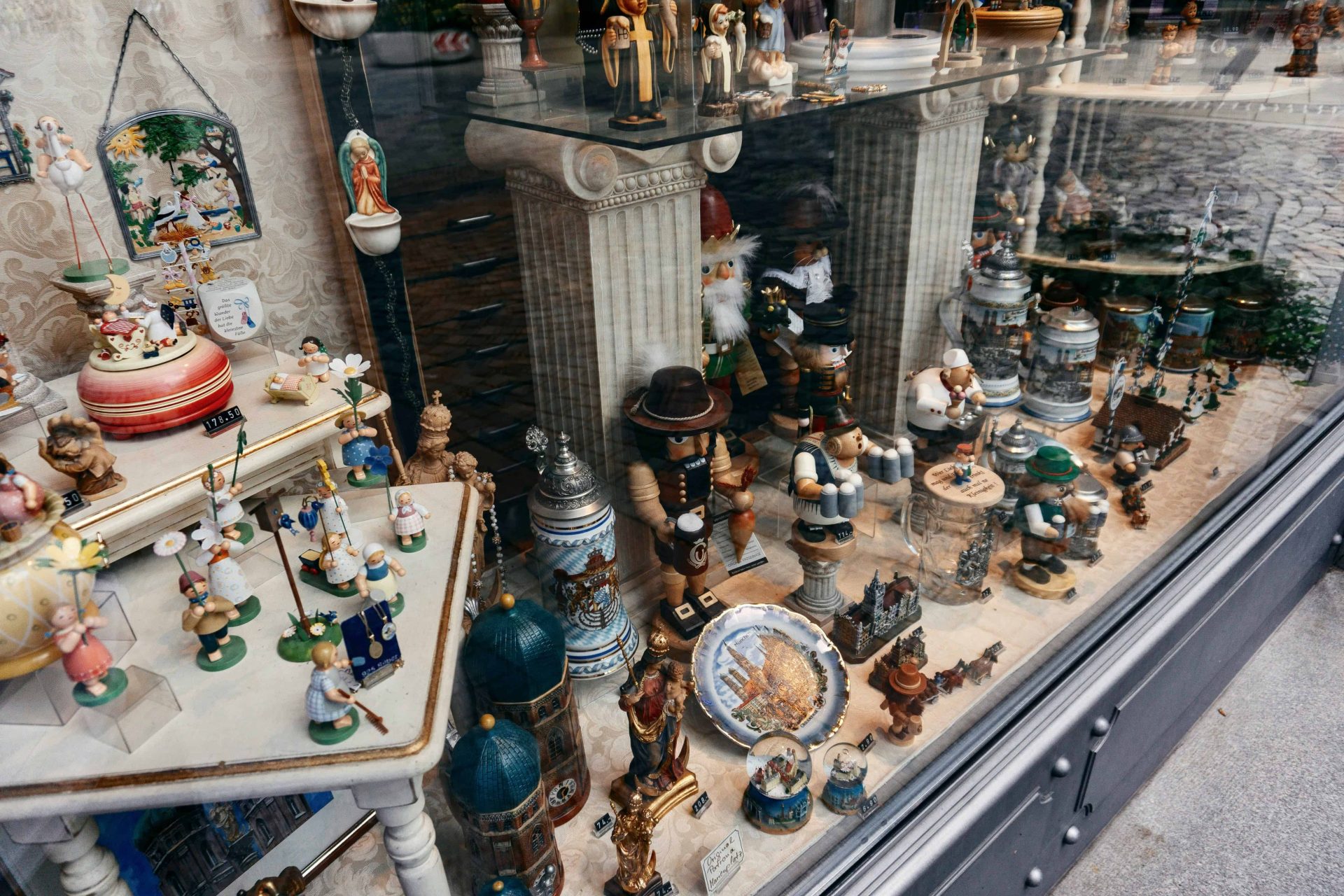
A group of collectibles. Image courtesy of Grigorii Shcheglov on Unsplash.
Key Takeaways
- Long-term collectible demand is sustained interest across multiple market cycles, not a temporary increase in price.
- Rarity can support value, but rarity without desirability does not create a strong market.
- Authenticity, provenance, condition, and originality increase buyer confidence.
- Cultural meaning and emotional relevance help objects retain an audience over time.
- Collector communities preserve knowledge, establish standards, and introduce new participants.
- Transparent marketplaces make it easier to establish prices and complete transactions.
- Institutional recognition can strengthen a category, but it does not guarantee financial returns.
- Artificial scarcity and promotional hype may create short-term urgency without creating lasting demand.
- A collectible should not be treated as financially successful until all ownership, transaction, insurance, conservation, and selling costs are considered.
Some collectibles remain desirable for generations. Others attract intense attention for a few months or years, only to lose much of their audience once trends change.
The difference is rarely explained by age or rarity alone.
Long-term collectible demand develops when an object has enduring meaning, limited but recognizable supply, credible documentation, an active collector community, and a marketplace capable of connecting buyers and sellers. The strongest collecting categories usually combine several of these characteristics rather than depending on a single source of appeal.
This is why two equally scarce objects can perform very differently in the market. One may be supported by history, scholarship, recognizable creators, transparent sales records, and generations of collectors. The other may be rare simply because few examples were produced, yet inspire little lasting interest.
Understanding this distinction is essential for anyone buying, selling, evaluating, or building a collection. It is also more useful than attempting to predict which individual object will rise in price next.
This guide examines the principal factors behind lasting collectible value, the difference between genuine demand and temporary speculation, and the questions experienced collectors consider before committing significant money to a category.
Important: Collectibles are illiquid assets with uncertain resale values. No combination of rarity, quality, provenance, or historical importance guarantees financial appreciation. This article is intended for general market education and does not constitute financial, tax, legal, or investment advice.

Collectors often discover unique finds at antique fairs, flea markets, and estate sales.
What Is Long-Term Collectible Demand?
Long-term collectible demand is the continuing willingness of people to seek, own, study, display, and purchase objects within a collecting category over an extended period.
It is not simply a high auction result or a rapid increase in asking prices. A single sale can reflect unusual circumstances, while a short period of rising prices may be driven by speculation, media attention, limited supply, or competition among a small number of buyers.
Durable demand is broader.
A category with long-term demand generally demonstrates several characteristics:
- Collectors continue entering the market.
- Existing collectors remain engaged.
- Buyers compete for better examples.
- The category has recognizable standards of quality.
- Authentic objects can be distinguished from reproductions or counterfeits.
- Reliable information is available.
- Transactions occur through more than one venue.
- Interest survives periods of economic weakness or reduced publicity.
- The category remains understandable and relevant to new generations.
This does not mean prices must rise continuously. Mature markets experience corrections, changing preferences, temporary oversupply, and periods of limited activity.
The more useful question is not whether prices move upward every year. It is whether meaningful demand remains after short-term excitement disappears.
Collectibles Provide More Than Financial Utility
Unlike a stock or bond, a collectible may provide aesthetic, historical, emotional, intellectual, or social benefits while it is owned. Economists sometimes describe these as nonfinancial or nonpecuniary benefits.
Research into real and private-value assets recognizes that owners may accept different financial outcomes because they also receive enjoyment, identity, prestige, access, or personal meaning from ownership. These benefits can influence both purchasing decisions and resale behavior, especially in markets where objects are unique and transactions are infrequent.
Collectors may enjoy researching an object, locating a difficult example, completing a series, preserving history, displaying a collection, or sharing knowledge with other enthusiasts. These activities form part of the value of collecting even when they cannot be measured through resale prices.
This is one reason collectible markets cannot be understood entirely through conventional investment analysis. The buyer is not always purchasing a future financial return. The buyer may also be purchasing an experience.
Why Demand Matters More Than Price
Price and demand are related, but they are not interchangeable.
A price is the amount requested or paid in a particular transaction. Demand reflects the number, commitment, knowledge, and purchasing power of potential buyers.
A collectible can have a high asking price and weak underlying demand. A seller may list an object for any amount, but the listing does not establish market value unless a buyer is willing to transact.
Likewise, a collectible can achieve a strong auction result because two determined bidders competed for it. That result is real, but it may not be reproducible if the underbidder is no longer present at the next sale.
Long-term demand is more resilient because it is not dependent on one buyer, one seller, one platform, or one moment.
Indicators of Stronger Demand
Evidence of a functioning market may include:
- Repeated completed sales rather than unsold listings
- Participation from multiple independent buyers
- Competition across different price levels
- Demand in more than one geographic region
- Specialist dealers, auction houses, fairs, publications, or associations
- Established methods for authentication and condition assessment
- Price differences that can be explained by quality
- Continued interest when the category is not receiving widespread publicity
Completed transactions are usually more informative than advertised prices. Even completed sales, however, must be interpreted carefully. Condition, attribution, provenance, timing, presentation, transaction venue, and buyer competition can all affect the result.
Rising Prices Do Not Always Mean Demand Is Durable
Prices can rise when market supply is temporarily restricted. They can also rise when buyers believe they will quickly resell to someone else at a higher price.
This creates momentum, but not necessarily permanence.
Sustainable demand is more likely when buyers would still want the object even if rapid appreciation stopped. A market supported only by expectations of resale gains becomes vulnerable when those expectations weaken.
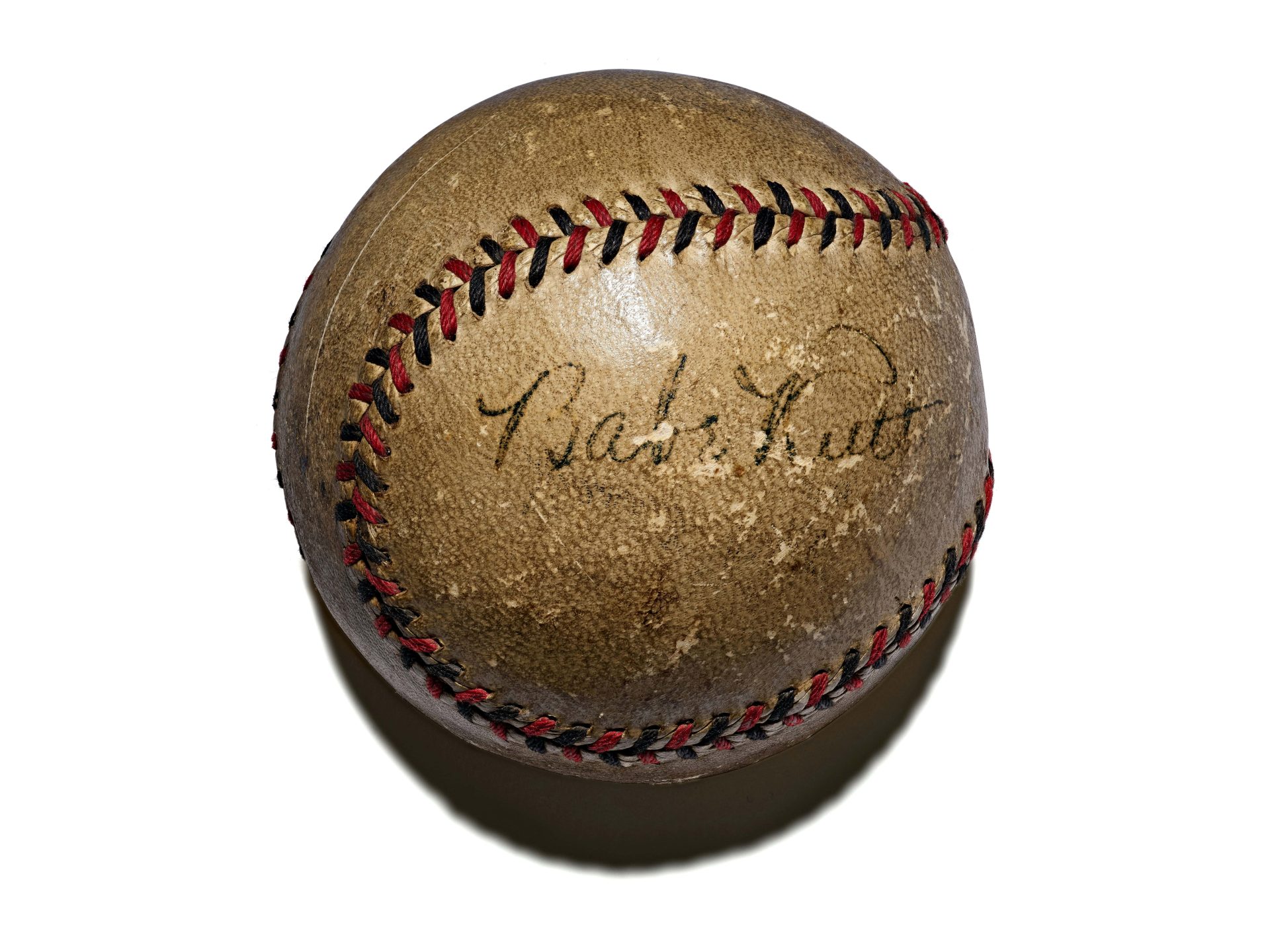
Historic sports memorabilia demonstrates how rarity, provenance, and cultural significance influence long term collector interest. Image courtesy of Smithsonian on Unsplash
The Difference Between Collectible Value and Market Price
The word “value” can describe several different concepts.
Market Value
Market value is the amount a willing buyer might pay a willing seller under current market conditions. It depends on the object, timing, venue, available information, and depth of demand.
Auction Value
Auction value is established through competitive bidding during a particular sale. It may be influenced by the auction house, lot presentation, estimate, bidder participation, sale location, marketing, and the specific terms of the transaction.
Retail Value
Retail value generally includes the dealer’s expertise, inventory costs, operating expenses, guarantees, availability, and profit margin. It may be higher than recent auction results because the buyer is paying for immediate access and additional services.
Insurance Value
Insurance valuations may be based on the estimated cost of replacing an object within a reasonable period. This can differ substantially from the amount a seller would receive in an ordinary sale.
Personal Value
Personal value reflects what an object means to its owner. It may be connected to family history, a personal achievement, a memory, or a relationship.
Personal value can be extremely important, but it does not automatically transfer to another buyer.
Investment Value
Investment value is the financial value of the object to a particular owner based on that owner’s objectives, costs, knowledge, holding period, tax circumstances, and expectations.
A collectible may have substantial cultural or personal value without being a strong financial investment. Conversely, an object may rise in market price even though the owner derives little personal enjoyment from it.
Recognizing these distinctions prevents one form of value from being mistaken for another.
The Key Factors Behind Lasting Collectible Demand
No single formula determines whether a collectible will remain desirable. Long-term demand normally develops through a combination of the following factors.
1. Enduring Cultural Relevance
Objects become collectible when people believe they represent something worth remembering.
That meaning may be artistic, technological, historical, political, social, scientific, literary, musical, sporting, or commercial. The object acts as physical evidence of a larger story.
A collectible connected to an enduring subject has a potential advantage over an object whose appeal depends entirely on a temporary trend. The underlying subject can continue attracting researchers, collectors, museums, fans, and new audiences.
Cultural relevance does not require universal fame. Many successful collecting categories are highly specialized. What matters is whether the subject continues to generate curiosity and engagement within a sufficiently active audience.
Questions to consider include:
- Does the object document an important person, movement, period, or achievement?
- Does it represent a meaningful development in design or technology?
- Is it connected to a story that people continue studying?
- Can its importance be explained to someone unfamiliar with the category?
- Is the object meaningful beyond its status as a commodity?
Long-term demand is more likely when an object remains interesting even after its current price is removed from the conversation.
2. Authentic Scarcity
Scarcity is one of the most frequently cited explanations for collectible value. It is also one of the most misunderstood.
An object is scarce when relatively few examples are available compared with the number of people seeking them. The relationship between supply and demand matters more than the absolute number produced.
An object with ten surviving examples and three interested buyers may have a weaker market than an object with 10,000 examples and 100,000 interested buyers.
Natural Scarcity
Natural scarcity develops through historical circumstances. Objects may have been produced in small quantities, used until destroyed, discarded as obsolete, damaged over time, or lost because no one originally considered them worth preserving.
This type of scarcity can be difficult to reproduce because it was not created as a marketing strategy.
Manufactured Scarcity
Manufactured scarcity is intentionally created through numbered editions, limited releases, restricted distribution, timed sales, regional exclusives, or controlled production.
Manufactured scarcity is not inherently illegitimate. Many respected collecting categories include limited editions. The problem arises when scarcity is expected to create demand by itself.
Academic consumer research has repeatedly examined the influence of scarcity on perceived value. More recent research also cautions that scarcity does not operate independently from social meaning. In some markets, an object’s social value and the size of its active community can change how scarcity affects willingness to pay.
A limited edition that nobody wants remains limited, but it does not necessarily become valuable.
Scarcity Must Be Verifiable
Claims such as “rare,” “limited,” or “one of a kind” should be supported by evidence.
| Useful evidence may include |
|---|
| Production records |
| Edition numbers |
| Manufacturer archives |
| Catalogs |
| Registration documents |
| Contemporary advertisements |
| Specialist publications |
| Surviving population estimates |
| Auction records |
| Institutional research |
Scarcity becomes more credible when independent researchers can confirm it.

Museum collections preserve objects of historical and cultural significance while inspiring interest in collecting. Image courtesy of Ryan Du on Unsplash.
3. Authenticity and Attribution
A market cannot function efficiently if buyers cannot determine what they are purchasing.
Authenticity asks whether an object is what it is represented to be. Attribution asks who designed, created, manufactured, used, owned, signed, or issued it.
The importance of each question depends on the collecting category. Authentication may involve materials, construction, signatures, printing methods, serial numbers, manufacturing techniques, archival evidence, scientific testing, or comparison with documented examples.
The Smithsonian Archives describes authentication as a combined process involving physical examination, technical analysis, and provenance research. It may require expertise from conservators, historians, curators, appraisers, or other specialists rather than reliance on a single characteristic.
A market becomes more durable when:
- Authentication methods are credible.
- Specialists can explain their conclusions.
- Known reproductions and counterfeits are documented.
- Reference materials are available.
- Disputes can be examined through evidence.
- Buyers understand the limits of available knowledge.
Absolute certainty is not always possible. Some objects remain subject to scholarly debate. Transparent uncertainty is generally healthier for a market than unsupported confidence.
4. Provenance and Documentation
Provenance is the history of an object’s ownership, custody, movement, and sometimes use.
Strong provenance can increase confidence that an object is authentic, legally transferable, historically significant, and correctly described. It may also connect the object to an important collection, person, event, institution, or period.
The Smithsonian defines provenance as the history of ownership of a collection item and incorporates provenance research into acquisition due diligence. The International Council of Museums also treats identification, associations, provenance, condition, treatment, and present location as central elements of professional documentation.
| Useful provenance documentation can include |
|---|
| Original invoices and receipts |
| Auction catalogs |
| Dealer records |
| Exhibition labels |
| Insurance schedules |
| Wills and estate inventories |
| Period photographs |
| Correspondence |
| Publication references |
| Certificates |
| Service records |
| Customs or export documents |
| Family records |
| Institutional accession information |
Not every valuable collectible has a complete ownership history. Many ordinary objects were poorly documented when new. A gap in provenance does not automatically mean an object is inauthentic.
However, documentation becomes increasingly important as value rises, legal questions emerge, or attribution becomes more difficult.
Provenance Is Not the Same as a Story
An interesting story is not provenance unless it can be supported.
Statements such as “believed to have belonged to,” “reportedly acquired from,” or “said to have been used by” should not be treated as established facts without credible evidence.
Collectors should distinguish among:
- Documented provenance
- Reasonable attribution
- Family tradition
- Seller representation
- Unverified anecdote
The distinction protects both buyers and responsible sellers.

Books and archival records help preserve the history and documentation of collectible objects. Image courtesy of Leiada Krözjhen on Unsplash.
5. Condition
Condition describes the present physical state of an object.
Its influence on demand varies significantly by category. Some collectors prioritize untouched examples. Others accept appropriate restoration, conservation, replacement parts, or signs of use.
The central question is whether the condition is appropriate, understandable, and accurately disclosed.
Condition can affect:
- Visual appearance
- Function
- Structural stability
- Completeness
- Authenticity
- Future preservation
- Rarity within the surviving population
- Cost of conservation or repair
- Buyer confidence
Smithsonian collection criteria consider physical condition alongside significance, provenance, intellectual value, conservation requirements, storage, and long-term preservation. This reflects a broader principle: an object’s importance and physical state must be evaluated together rather than in isolation.
Relative Condition Matters
A 200-year-old object should not necessarily be judged by the same standard as a recently manufactured collectible.
Experienced collectors assess condition relative to:
- Age
- Materials
- Intended use
- Typical survival
- Known manufacturing characteristics
- Storage history
- Previous treatment
- Other surviving examples
An object may show wear yet remain exceptional for its type. Another may appear visually attractive because substantial restoration has concealed important changes.
Condition is strongest as a market factor when grading language is consistent and alterations are disclosed.
6. Originality and Completeness
Condition and originality are related, but they are not identical.
An object can be in excellent physical condition while containing replacement components, later modifications, refinishing, restoration, or reproduction packaging. Conversely, an entirely original object may show significant wear.
Originality can refer to:
- Original materials
- Original finish
- Original components
- Original configuration
- Original signature or markings
- Original packaging
- Original accessories
- Original documentation
- Original assembly
Completeness also matters. A complete set may include elements that were commonly separated, discarded, used, or lost.
The market premium for originality depends on category norms. Appropriate conservation may be accepted or desirable in some fields. In others, refinishing or replacement can significantly reduce collector interest.
A durable market develops clear language for these distinctions. Terms such as restored, conserved, repaired, refinished, reprinted, reissued, assembled, period replacement, and modern replacement should not be used interchangeably.

Close-up of a vintage pocket watch dial highlighting fine craftsmanship and lasting collectible appeal. Image courtesy of Chuttersnap on Unsplash
7. Quality, Design, and Craftsmanship
Not every collectible survives because it is old or rare. Some remain desirable because they are exceptionally well made.
Collectors may value:
- Innovative design
- Technical achievement
- Skilled craftsmanship
- High-quality materials
- A distinctive visual language
- Functional excellence
- Difficult production methods
- Evidence of handwork
- Influential construction
- Unusual complexity
Quality provides a reason to care about an object even when its original context becomes less familiar.
It can also create differentiation within a crowded category. When many comparable objects exist, collectors may concentrate on the examples that best represent the maker, period, technique, or design.
Craftsmanship alone does not guarantee demand. An object can be beautifully made yet culturally obscure. Its long-term prospects improve when quality is combined with recognition, documentation, and a community capable of explaining why the workmanship matters.
8. Historical Significance and Narrative Strength
Collectibles are often physical entry points into history.
An ordinary object may become extraordinary because of what it witnessed, represented, introduced, or changed.
Historical significance may arise from:
- Association with an influential person
- Use during an important event
- Introduction of a new technology
- Representation of a social movement
- Connection to a landmark publication, performance, competition, or exhibition
- Importance within a company’s development
- Evidence of changing cultural habits
- Survival from a poorly documented period
Narrative strength helps collectors understand why one example deserves greater attention than another.
However, strong storytelling must remain evidence-based. The best market narratives clarify an object’s importance without exaggerating its uniqueness or promising future appreciation.
9. Collector Identity and Emotional Connection
Collecting is not purely transactional.
Objects can help people express identity, preserve memory, connect with others, and create continuity between the past and present.
Russell Belk’s influential research on possessions and the “extended self” argues that possessions can contribute to and reflect personal identity. Later research on collecting has continued to examine collector identity, motivation, and the social and individual behaviors surrounding the formation of collections.
This emotional dimension can support demand because collectors are not choosing among objects based only on financial return.
They may collect objects that reflect:
- Childhood experiences
- Family history
- Cultural heritage
- Professional interests
- Personal achievements
- Artistic preferences
- Membership in a community
- Admiration for a creator or institution
- A desire to preserve knowledge
Nostalgia Can Renew Demand
Nostalgia is especially important in categories connected to popular culture, design, entertainment, toys, sports, technology, fashion, and media.
Research reviewing nostalgia in consumer behavior finds that nostalgia can influence product choice and consumption through social connectedness and personally meaningful memories.
Nostalgia alone may not sustain a market forever. Each generation remembers different things. Long-term demand becomes stronger when a category offers more than a temporary return to childhood, such as design importance, historical context, artistic merit, or an active community.
10. Active Collector Communities
A collectible market is ultimately a network of people.
Collectors exchange information, identify variations, establish terminology, document discoveries, organize exhibitions, publish research, and teach newcomers. These activities make the category easier to understand and more rewarding to participate in.
A healthy community may include:
- Collectors
- Researchers
- Dealers
- Auction houses
- Conservators
- Appraisers
- Museums
- Archives
- Authors
- Clubs and associations
- Online forums and databases
- Publishers and specialist media
Communities create more than demand. They create knowledge.
That knowledge reduces uncertainty by helping participants distinguish common objects from important ones, authentic examples from reproductions, and original features from later alterations.
Community Size Is Not the Only Measure
A smaller, highly committed community may support a category more reliably than a large but casual audience.
Important questions include:
- Are experienced collectors sharing information?
- Are new collectors welcomed and educated?
- Is research preserved?
- Are discoveries documented?
- Do participants remain interested when prices fall?
- Does the community value the objects themselves or only their resale potential?
A market is more stable when participation includes scholarship, preservation, and personal enthusiasm rather than speculation alone.
11. Market Access, Liquidity, and Price Transparency
Collectors are more likely to participate when they can locate objects, compare examples, evaluate prices, and eventually resell.
Market infrastructure may include:
- Specialist auction houses
- Reputable dealers
- Online marketplaces
- Collector fairs
- Trade publications
- Digital archives
- Price databases
- Authentication services
- Grading systems
- Professional associations
The expansion of online selling has made many collecting categories more accessible internationally. Greater access can bring new buyers into a market, but it can also expose inconsistencies in descriptions, condition standards, and authentication.
Liquidity Is Relative
Collectibles are generally less liquid than publicly traded securities. Even a desirable object may require time to catalog, market, sell, pack, ship, and settle.
Liquidity also varies within a category.
A recognizable example at a widely understood price level may be easier to sell than a more important but highly specialized object requiring a small group of expert buyers.
A functioning market does not require immediate liquidity. It requires a realistic path between acquisition and resale.
12. Institutional Recognition and Scholarship
Museums, archives, universities, publishers, exhibitions, and scholarly organizations can strengthen the cultural standing of a collecting category.
Institutional recognition may:
- Preserve historically important examples
- Support research
- Establish terminology
- Publish reliable information
- Introduce the category to broader audiences
- Place objects within art, design, industrial, or social history
- Validate the subject as worthy of long-term study
Institutional attention should not be interpreted as an investment guarantee. Museums select objects according to their missions, research needs, significance, condition, provenance, and educational potential, not because they expect the objects to appreciate financially.
Nevertheless, sustained scholarship can deepen understanding and help separate culturally important material from objects supported mainly by marketing.

Museum collections preserve works of art and inspire appreciation among collectors and the public alike. Image courtesy of Mick Haupt on Unsplash.
13. Generational Renewal
Every collectible market eventually confronts the same question: who will care next?
Some categories remain tied almost entirely to the memories of one generation. Demand may weaken as that population reduces its collecting activity.
Other categories attract new participants who did not personally experience the original period. They may become interested through design, history, media, scholarship, family influence, or reinterpretation by contemporary culture.
Generational renewal is stronger when:
- The object has visual or intellectual appeal beyond nostalgia.
- Information is accessible to newcomers.
- Entry-level examples are available.
- The community avoids unnecessary gatekeeping.
- Museums and publications provide historical context.
- The category connects with broader subjects.
- Younger collectors can participate without immediately spending large sums.
- Digital platforms make discovery and research easier.
A market that cannot replace departing collectors may have limited long-term depth regardless of its past success.
14. Practical Ownership and Preservation
The physical realities of ownership can influence demand.
Collectors must be able to store, display, insure, transport, maintain, or conserve an object. Categories with extremely high ownership costs may remain important but appeal to a narrower audience.
Practical considerations include:
- Size and weight
- Fragility
- Sensitivity to light
- Temperature and humidity requirements
- Security
- Insurance availability
- Shipping restrictions
- Maintenance
- Conservation expertise
- Legal ownership or export restrictions
The Library of Congress advises that light intensity and duration both contribute to deterioration and recommends managing exposure as part of long-term preservation. Its collection-care guidance also emphasizes stable environments, appropriate enclosures, and protection from environmental extremes.
Preservation affects more than the individual owner. Poor storage across an entire category can reduce the number of high-quality surviving examples, making condition increasingly important over time.
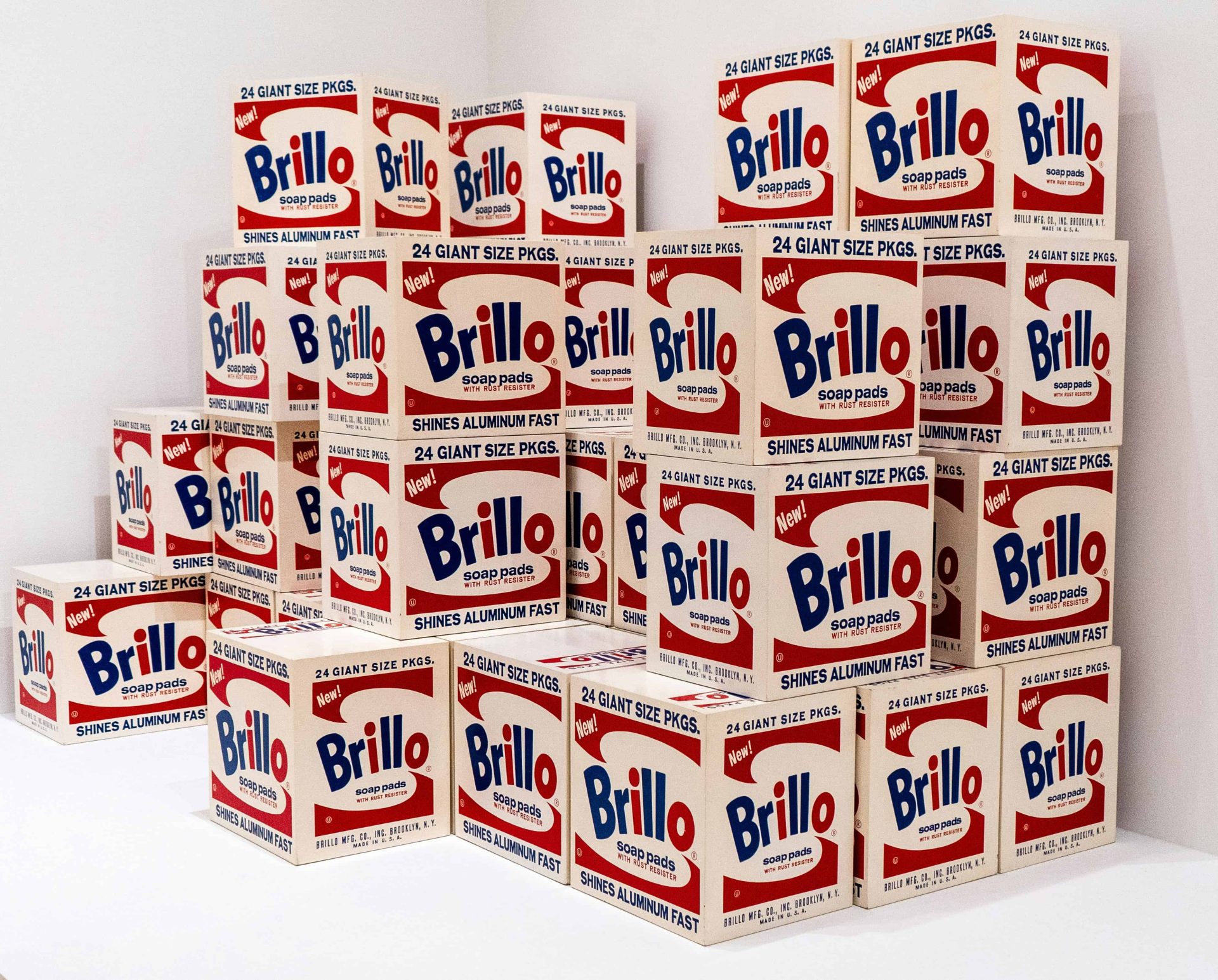
Andy Warhol’s Brillo Boxes demonstrate how cultural significance and artistic influence can shape collector demand. Image courtesy of Brandon Carson on Unsplash
How the Factors Reinforce One Another
The strongest collectible markets are supported by connected factors.
Consider the following sequence:
- An object has cultural or historical significance.
- Limited numbers survive.
- Collectors begin researching surviving examples.
- Publications and archives establish terminology.
- Authentication and condition standards improve.
- Dealers and auction houses create reliable transaction channels.
- Completed sales make prices easier to understand.
- Exhibitions and scholarship introduce the category to new audiences.
- New collectors enter the market.
- Better examples receive stronger competition.
Each stage strengthens the others.
The reverse can also occur.
If authenticity becomes unreliable, buyers withdraw. If records disappear, provenance becomes harder to establish. If a community stops sharing information, newcomers face a steeper learning curve. If selling venues lose credibility, price discovery becomes less dependable.
Long-term demand is therefore better understood as an ecosystem than as a single characteristic.
Short-Term Hype Versus Sustainable Demand
Temporary excitement is not necessarily harmful. Publicity can introduce an overlooked category to new collectors.
The challenge is determining whether attention is developing into a durable market.
Signs of Short-Term Hype
| Potential Warning Signs |
|---|
| Most discussion focuses on price rather than the objects. |
| Buyers expect immediate resale profits. |
| New editions are released faster than collectors can absorb them. |
| Supply is described as limited but expands through repeated variations. |
| Asking prices rise without corresponding completed sales. |
| A small group of influencers controls most market attention. |
| Buyers have little access to independent research. |
| Participants cannot explain why the objects matter. |
| Demand depends on one platform or marketplace. |
| Interest declines sharply when prices stop rising. |
Signs of More Sustainable Demand
| Indicators of a Durable Market |
|---|
| Collectors remain active through price corrections. |
| Scholarship grows alongside commercial activity. |
| Better quality produces understandable premiums. |
| The category has entry-level and advanced material. |
| Buyers include both specialists and newer participants. |
| Objects are traded through several credible channels. |
| Authenticity standards continue improving. |
| Collectors discuss history, design, condition, and variations, not only returns. |
| Important collections are preserved, published, or exhibited. |
| New participants are learning rather than merely speculating. |
No single indicator provides certainty. The overall pattern matters.
How Collectible Demand Changes Over Time
Collectible markets rarely move in a straight line.
A category may pass through several stages.
Discovery
A relatively small group recognizes that certain objects are historically, aesthetically, or culturally important.
Prices may remain modest because information and participation are limited.
Documentation
Collectors begin publishing research, identifying variations, building archives, and establishing terminology.
Previously overlooked differences become meaningful.
Expansion
Dealers, auction houses, media, exhibitions, and online communities introduce the category to more people.
Prices and transaction volume may increase.
Speculation
Rapid price growth attracts buyers primarily interested in financial returns. New supply, aggressive marketing, and optimistic forecasts may enter the market.
Correction
Prices decline or trading slows when expectations exceed sustainable demand.
Weaker participants leave, while committed collectors may continue buying.
Maturity
Standards become clearer. The strongest material separates from ordinary examples. Price growth may become less dramatic, but the market can be more informed and stable.
Not every category follows this sequence. Some never move beyond a small specialist audience. Others experience several cycles as new generations reinterpret the material.
A correction does not always mean a category has failed. It may represent the transition from speculative pricing to a more selective market.
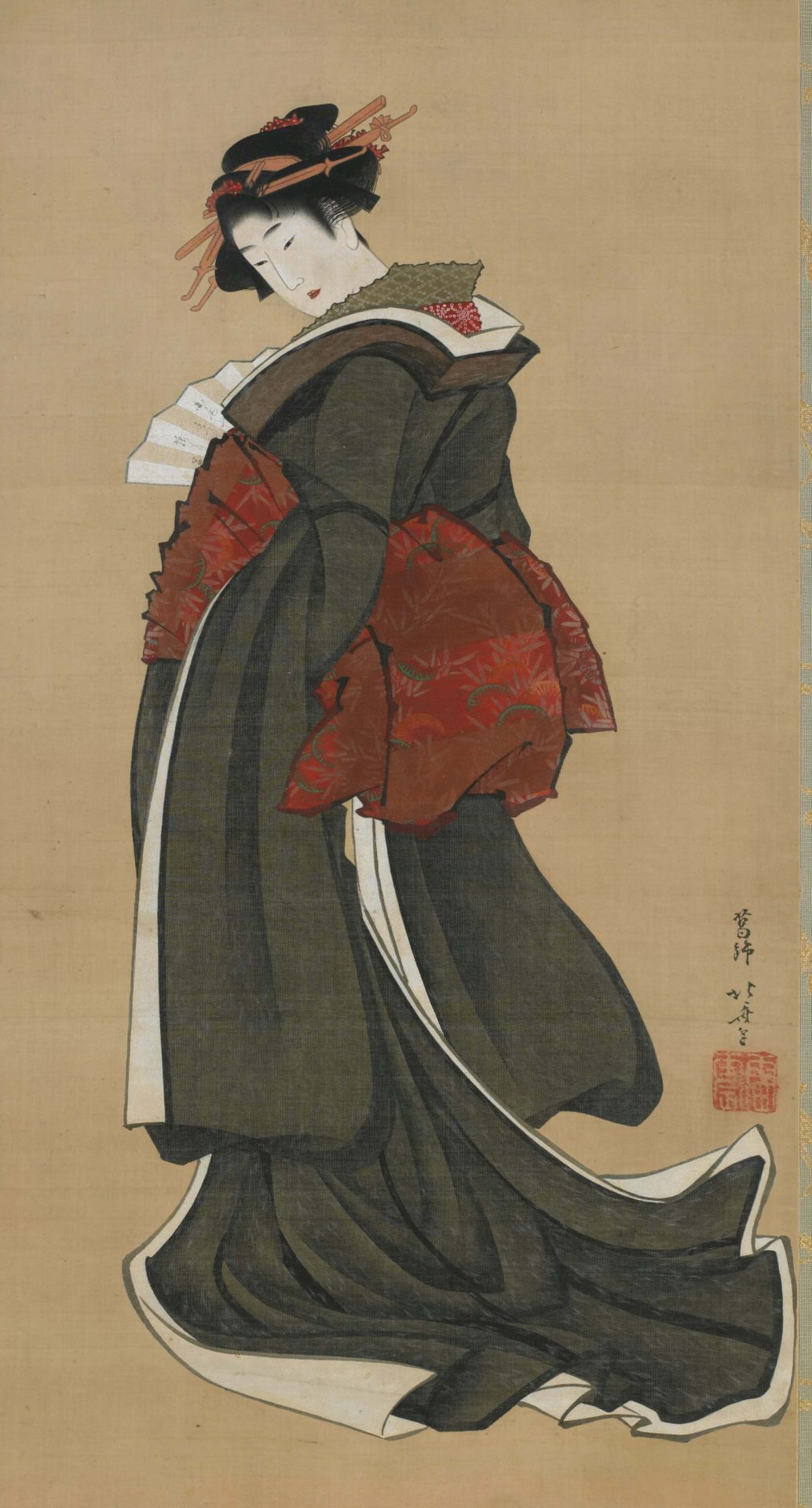
Japanese woodblock prints illustrate how craftsmanship, history, and cultural significance can contribute to collector demand. Image courtesy of the Smithsonian National Museum of Asian Art, via Unsplash.
How to Evaluate a Collectible Market
Before treating a collectible as a long-term financial asset, examine the market rather than focusing only on the object.
A Practical Demand Checklist
Cultural Foundation
| Why do people collect this material? |
| Does the category represent an enduring subject? |
| Would the objects remain interesting without recent price growth? |
| Is their importance understandable outside a small promotional circle? |
Supply
| How many examples were produced? |
| How many are believed to survive? |
| Is scarcity natural or manufactured? |
| Can additional supply enter the market? |
| Are limited-edition claims independently verifiable? |
Buyer Base
| Are there many active buyers or only a few? |
| Are collectors geographically diverse? |
| Are new participants entering? |
| Does the category have affordable entry points? |
| Would demand survive the loss of its largest buyer? |
Knowledge and Trust
| Are authentication methods established? |
| Are condition standards understandable? |
| Is provenance taken seriously? |
| Are reference books, archives, databases, or catalogs available? |
| Are experts willing to explain uncertainty? |
Market Activity
| Are there repeated completed sales? |
| Are objects sold through multiple venues? |
| Are published prices based on actual transactions? |
| How frequently do important examples appear? |
| What proportion of offered material remains unsold? |
Ownership Costs
| What are the buyer’s premiums, sales commissions, taxes, and shipping costs? |
| Does the object require insurance, conservation, framing, servicing, or specialized storage? |
| How difficult is it to sell? |
| Are there legal, import, export, or intellectual-property concerns? |
Exit Strategy
| Who is the likely future buyer? |
| Where would the object be sold? |
| How long might a sale take? |
| Would the owner accept a private sale, dealer offer, or auction result? |
| What would the net proceeds be after all costs? |
A convincing answer to one question cannot compensate for serious weaknesses in every other area.
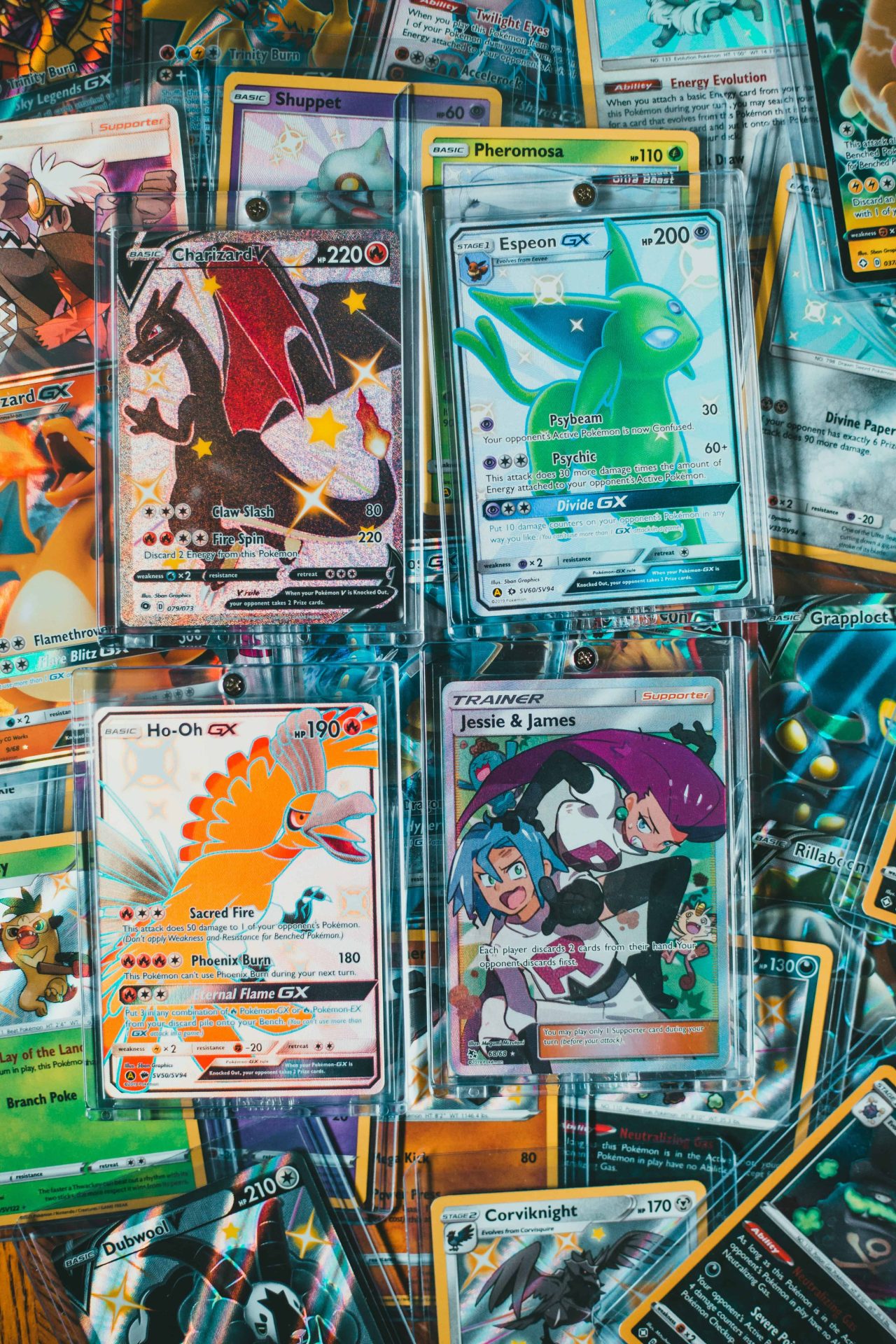
Trading card games have become a major collecting category, attracting enthusiasts of all ages around the world. Image courtesy of Erik Mclean on Unsplash
The Financial Risks of Collectible Investing
Collectibles are often described as alternative investments or passion assets. That description should not obscure their risks.
Illiquidity
There may be no immediate buyer when an owner decides to sell. Even established categories can require lengthy marketing periods.
High Transaction Costs
Auction commissions, buyer’s premiums, dealer margins, shipping, insurance, taxes, storage, authentication, restoration, and conservation can materially reduce returns.
A collectible purchased for one amount may need to appreciate substantially before the owner breaks even after buying and selling costs.
Valuation Uncertainty
Unique objects do not trade continuously. Price estimates may rely on imperfect comparisons.
Changes in condition, provenance, attribution, fashion, or bidder participation can produce wide differences between apparently similar examples.
No Cash Flow
Most collectibles do not generate dividends, interest, or rental income. Financial return generally depends on finding a future buyer willing to pay more than the owner’s total cost.
Authenticity and Title Risk
A buyer may later discover problems involving authenticity, attribution, ownership, theft, export history, copyright, or documentation.
Physical Risk
Fire, water, light, pests, impact, theft, poor repairs, environmental instability, or improper storage can permanently reduce an object’s desirability.
Changing Taste
Cultural preferences evolve. A once-prominent category may lose relevance, while previously overlooked material may gain attention.
Concentration Risk
A collection may be heavily concentrated in one creator, brand, period, subject, or category.
Incomplete Market Data
Public auction results do not capture every private transaction, unsold object, discount, guarantee, fee, restoration cost, or unsuccessful attempt to sell.
Academic studies of art, wine, stamps, and other collectibles have produced different results depending on the category, time period, dataset, methodology, and treatment of costs. Research also recognizes that financial return is only one component of ownership because collectors may receive substantial private enjoyment from the asset.
Past performance in any collectible category should not be treated as evidence of guaranteed future appreciation.
Common Misconceptions About Collectible Value
Myth 1: Old Objects Are Automatically Valuable
Age can contribute to historical interest and scarcity, but many old objects survive in large numbers or have limited demand.
Age becomes meaningful when combined with significance, condition, quality, provenance, or collector interest.
Myth 2: Rare Means Valuable
Rarity describes supply. Value depends on the relationship between supply and demand.
An object can be genuinely rare and commercially undesirable.
Myth 3: A Limited Edition Will Appreciate
An edition number does not create a future buyer.
The object must also have cultural meaning, quality, authenticity, community support, and lasting desirability.
Myth 4: A High Asking Price Establishes Value
Asking prices show what sellers hope to receive. Completed transactions provide stronger evidence of what buyers have actually paid.
Even completed sales must be adjusted for differences in condition, timing, provenance, and transaction terms.
Myth 5: Every Object From a Famous Creator Is Equally Desirable
Collectors often distinguish among periods, models, editions, subjects, materials, techniques, and levels of significance.
Association with a respected name may support attention, but quality and importance still vary.
Myth 6: Restoration Always Destroys Value
The effect of restoration depends on the category, quality of the work, materials used, amount of intervention, disclosure, and accepted conservation standards.
Inappropriate or concealed restoration can damage confidence. Necessary professional conservation may stabilize an important object.
Myth 7: Museum Ownership Guarantees Investment Value
Institutional recognition can support scholarship and cultural importance. Museums do not acquire objects to promise financial appreciation to private owners.
Myth 8: Price Guides Provide Exact Values
Price guides are reference tools. Markets change, and individual objects differ.
A guide cannot fully account for provenance, condition, originality, rarity, buyer competition, or the terms of a particular sale.
Myth 9: Popularity and Demand Are the Same
Popularity measures attention. Demand requires both interest and willingness to purchase.
Millions of people may recognize an object without wanting to own it at the prevailing price.
Myth 10: A Collectible Is a Safe Investment Because It Is Tangible
Physical ownership does not eliminate market, authenticity, legal, liquidity, or preservation risk.
Tangibility introduces additional responsibilities, including storage, security, conservation, and insurance.
Protecting the Future Desirability of a Collection
Collectors influence future value through the way objects are documented, handled, and preserved.
Retain Documentation
Keep invoices, correspondence, certificates, service records, exhibition histories, photographs, auction catalogs, and prior ownership information.
Store physical and digital copies when appropriate.
Record Condition
Photograph objects clearly and note existing wear, damage, restoration, replacement components, and alterations.
A condition record can help establish whether changes occurred during ownership.
Avoid Unnecessary Intervention
Cleaning, polishing, refinishing, repairing, mounting, framing, or replacing components can permanently alter an object.
Consult an appropriate specialist before undertaking irreversible work.
Use Appropriate Storage
Control exposure to light, moisture, heat, pests, pollutants, and physical pressure according to the object’s materials.

Proper archival storage for preserving valuable collectibles. Image courtesy of Mick Haupt on Unsplash.
Preserve Original Components
Boxes, labels, receipts, packaging, removed parts, inserts, tags, and accessories may later become important to completeness or provenance.
Maintain Accurate Descriptions
Do not convert assumptions into facts. Clearly separate documented information from family tradition, opinion, or attribution.
Plan for Transfer
A collection without records may become difficult for heirs, insurers, appraisers, or future buyers to understand.
An inventory should include photographs, descriptions, locations, acquisition information, and relevant documentation.
Good stewardship does not guarantee rising prices. It protects the information and physical integrity on which future demand may depend.
Frequently Asked Questions About Long-Term Collectible Demand
What makes a collectible valuable?
A collectible may become valuable when meaningful demand exceeds available supply. Factors can include authenticity, rarity, condition, originality, provenance, cultural significance, quality, and the strength of the collector community.
No single factor guarantees value.
Is rarity the most important factor in collectible value?
No. Rarity is meaningful only when people want the object.
A common but highly desired object may have a stronger market than an extremely rare object with little collector interest.
What is the difference between rarity and scarcity?
Rarity generally describes how uncommon an object is. Scarcity describes limited availability relative to demand.
An object may be rare in absolute terms but not economically scarce if very few buyers seek it.
Do collectibles always increase in value?
No. Collectibles can rise, remain unchanged, or fall in value.
Results depend on buyer demand, condition, authenticity, cultural relevance, economic conditions, transaction costs, and the timing and method of sale.
Are collectibles a good investment?
Collectibles may provide enjoyment, historical interest, and possible financial appreciation, but they also carry significant risks.
They are generally illiquid, do not produce cash flow, and may involve substantial acquisition, preservation, and selling costs. Suitability depends on the buyer’s finances, knowledge, objectives, and tolerance for loss.
Why does provenance increase collectible value?
Provenance can strengthen confidence in authenticity, ownership history, legal title, and historical importance.
Its effect depends on the quality of the documentation and whether the prior ownership or history is relevant to collectors.
How important is condition?
Condition is often important, but its effect varies by category.
Collectors consider age, materials, normal use, rarity, originality, restoration, and the condition of comparable surviving examples.
Does original packaging increase value?
Original packaging may increase completeness, authenticity, and collector interest, particularly when packaging was commonly discarded.
The effect depends on the category, condition, rarity, and expectations of its collectors.
Can manufactured scarcity create lasting value?
It can contribute to value, but it cannot create lasting demand by itself.
A deliberately limited object must still have quality, meaning, credibility, and an audience that remains interested after the initial release.
How can you tell whether a collectible market is based on hype?
Warning signs include rapid price increases, heavy emphasis on resale profits, unsupported rarity claims, limited independent research, repeated new releases, and dependence on one platform or promotional community.
A more durable market normally includes scholarship, repeat collectors, transparent transactions, established standards, and activity through several market channels.
What is the best evidence of collectible demand?
Repeated completed sales involving multiple independent buyers provide stronger evidence than asking prices.
Other useful indicators include active collector organizations, specialist publications, auction participation, dealer activity, exhibitions, research, and continued engagement during weaker market periods.
Why do similar collectibles sell for different prices?
Differences may result from condition, originality, provenance, completeness, rarity, attribution, presentation, timing, seller reputation, transaction venue, and the number of competing buyers.
Objects that appear similar in photographs may be materially different upon closer examination.
How long should a collectible be held?
There is no universal holding period.
Because transaction costs can be substantial and markets may be slow, collectibles are generally unsuitable for buyers who may need to recover their money quickly.
What types of collectibles have the strongest long-term demand?
No category is guaranteed to retain demand.
Historically durable categories often have recognizable cultural importance, established scholarship, credible authentication, active communities, limited high-quality supply, and functioning international marketplaces.
Final Thoughts
Long-term collectible demand is not created by rarity, age, branding, or price alone.
It develops when people continue to find meaning in an object and can trust the market surrounding it.
The most durable categories tend to combine cultural relevance, authentic scarcity, recognizable quality, reliable documentation, credible authentication, active scholarship, committed collectors, and accessible transaction channels.
These characteristics do not eliminate risk. Collectible markets remain vulnerable to changing taste, economic pressure, physical deterioration, authenticity disputes, high costs, and limited liquidity.
They do, however, provide a more disciplined way to evaluate a market.
Rather than asking only, “Will this object become more expensive?” collectors can ask better questions:
- Why does this object matter?
- Who will care about it in the future?
- Is its scarcity genuine and verifiable?
- Can its authenticity and history be supported?
- Is there a healthy community preserving knowledge?
- Does a transparent market exist?
- Will the object remain desirable if prices stop rising?
- Are the personal rewards of ownership worthwhile even if financial expectations are not achieved?
An object with convincing answers to those questions may possess the foundations of lasting demand.
The final decision still requires judgment, research, patience, and an honest understanding of risk. In collecting, enduring value is rarely the product of one impressive attribute. It is created by the relationship between the object, its history, its condition, its community, and the people who continue to believe it is worth preserving.
Baer & Bosch Auctioneers is a specialty auction house for vintage and contemporary wristwatches, horological books, and collectible art. Consign with us at baerandbosch.com or browse upcoming auctions.